
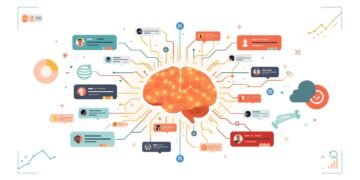















Doctors have used medications to treat their patients for decades, following a process called “one size fits all,” a standard way of prescribing medications to people with the same medical condition (e.g., high blood pressure). However, one patient may take the exact same prescription for the same medical condition and experience absolutely NO SIDE EFFECTS at all. At the same time, the prescription effectively lowers this person’s blood pressure.
On the other hand, another patient who takes the same exact prescription for the same medical condition experiences numerous side effects associated with taking this medication. Unfortunately, this medication is NOT effective in lowering this person’s blood pressure either. I am sure most of you have heard a story like this before regarding a family member or friend. These stories illustrate why a concept called “one size fits all,” which applies to health care, is simply not good enough for each and every one of us.
What if you could imagine a doctor who did NOT use guesswork or trial and error when determining how to best treat you? What if your doctor were able to utilize Artificial Intelligence (AI) to develop a customized treatment plan specifically designed just for YOU, incorporating elements of YOUR DNA or genetics?
#Transformative AI for Clinical Decision: Empowering Doctors to Think Faster
The creation of an individualized treatment plan is also referred to as “AI for Personalized Treatment” and represents an innovative way to deliver health care. Most treatments aim to determine which type will be effective for the greatest number of patients.
However, the “AI for Personalized Treatment” approach takes treatment one step further: it seeks to determine which type of treatment will be most effective for each patient. Many professionals refer to the use of precision medicine when they speak about it as an approach to delivering healthcare.
A device that can interpret and understand all of the billions of small details that differentiate each person from everyone else will have to exist if we are to realize that vision. That machine exists today, and it is called Artificial Intelligence, or AI. A physician’s assistant is how I would describe the function of an AI system. It is a smart assistant for your doctor.
The AI does something similar to what Netflix does when it provides you with a recommended movie based on its recommendation engine, instead of looking at your past movie choices to suggest a movie you might want to see again, AI looks at your medical information to identify the most likely method(s) that your doctor could use to manage your health.
The amount of new information being generated by AI is like nothing we’ve ever seen before, and as such, the ability of doctors to interpret information using AI is creating opportunities for viewing and understanding aspects of healthcare in ways they would be unable to do without AI.
For example, AI-driven scan analysis has enabled physicians to detect cancer much earlier in its development. Similarly, AI can provide predictive insight into the side effects of medications prior to administration to a patient.
In this article, we’ll discuss how this technology works at a high level, how it impacts you personally, and how it represents a hopeful vision for all of us through “AI for Personalized Treatment.”
Patients who receive medical treatment are unique individuals; they’re not mere statistical averages because their responses vary based on genetics, behaviors, symptoms, and other risk factors. This is why I believe there is great promise for AI to close the gap and make treatment more individualized.
As such, I recommend “AI for Personalized Treatment” — the use of pattern recognition in large healthcare datasets to assist providers in making treatment decisions based on individual needs rather than categories (e.g., diabetes, asthma, or over 65).
The article clearly states that this type of system should be viewed as supporting physicians’ decision-making rather than replacing them. In fact, one purpose of these systems is to quickly evaluate numerous possible treatment options while identifying subtle signals in the data that may go unnoticed by the treating doctor.
Lastly, I describe both the methodology used by AI and the types of data that are used with the technology, where it is being implemented today, and its limitations, all in simple, real-world examples.
AI for Personalized Treatment: What It Really Means
At the core of AI for personalized treatment is the use of a computer model to identify the best treatment approach for an individual based on their specific needs at the time they need it.
In essence, AI for personalized treatment is merely “the use of the collective experiences of many patients to influence the treatment decisions of an individual”. The technology takes into account how previous individuals with similar physical or psychological characteristics responded to various treatments, then uses this past experience to project how effectively those same treatments will work for you.
AI for Personalized Treatment supports numerous clinical activities, including:
- prediction of your likelihood of experiencing a health concern prior to symptom manifestation.
- suggestion of tests that are most likely to yield relevant results.
- determination of an appropriate dose of a medication for you to take.
- Adapting your treatment plan to reflect changes in your condition.
Although some have called it Personalized Medicine AI, what matters most is that this technology provides personalized care for you using your real-world data.
This area of study has connections to AI in Precision Healthcare, which emphasizes precision, reducing uncertainty when making decisions about what is most likely to benefit a particular patient.
Beyond One-Size-Fits-All: What Does “Personalized Medicine AI” Actually Mean?

For decades, the way doctors practice medicine has relied heavily on a “one-size-fits-most” approach to treatment. While a “one-size-fits-most” system is great as a starting point, it doesn’t account for the fact that no two individuals share the same combination of characteristics.
Precision medicine or Personalized Medicine AI for Personalized Treatment completely reverses the entire model. Instead of using the “average patient,” precision medicine starts with YOU.
Precision Medicine uses your biological history, rather than simply identifying your condition (e.g., cancer), to determine what makes you different from others. To accomplish this, precision medicine looks at multiple components of your biology; specifically, your genetic make-up, your lifestyle, and the environment you live in.
Think of this as reading a personalized instruction manual for your body, rather than a standard textbook on medicine. This evolving model is now being referred to as Personalized Medicine AI in Practice.
The ultimate goal of precision medicine is to find the very best treatment options for the right patient at the right time. With a much clearer understanding of the factors that differentiate you from other patients, your doctor can predict which treatments will be most beneficial to you and which may cause side effects, ultimately enhancing patient outcomes.
How then will any physician sift through all this individualized data? That is when they get their new superpower. It’s when AI for Personalized Treatment provides its significant advantage.
Your Doctor’s New Superpower: How AI for Personalized Treatment Actually Finds Personalized Insights
The sheer volume of personal data makes Artificial Intelligence (AI) crucial. Artificial Intelligence is not just a “robot” doctor, but is rather your best possible research assistant.
A doctor can spend all his/her time trying to stay on top of what has been written; they simply cannot keep up with all the new medical literature being released each and every day. Nor can a doctor possibly compare you to the millions of people who have had similar conditions as you.
However, an AI tool can do this comparison for a doctor within minutes. It does this by analyzing vast amounts of literature to identify hidden or unseen relationships or patterns that a human would never see.
Using a patient’s personal health data at several different levels, such as genetic coding, lab results, lifestyle choices, etc., an AI tool creates a very personalized patient profile. An AI tool then cross-references this profile against its own database of anonymized health data from tens of thousands to millions of other patients’ profiles.
To illustrate the function of this type of AI, the tool will pose a hypothetical question such as “What treatment would result in the least number of side effects, out of a million patients that have a biologic profile most like your own?” This is how Big Data supports the function of AI for Personalized Treatment in Healthcare. A real example of Predictive Analytics in Healthcare.
Also important: this is NOT replacing Doctors when making decisions about your treatment – rather, it allows them to provide you with better care. The Doctor does not receive a diagnosis or medication from AI-driven Predictive Analytics in healthcare; however, he/she has access to statistical probabilities and hidden patterns in the data to determine an appropriate treatment plan, drawing on his/her years of education/training.
AI-Driven Insights are used during the Treatment Planning Process; ultimately, the Doctor is responsible for deciding on the course of action based upon years of education/training and their interpretation of the data.
#Revolutionary AI in Hospitals – From Life-Saving Diagnosis to Intelligent Delivery Robots
How Personalized AI Builds Your Health Profile
| Input Data | AI Action | Outcome |
|---|---|---|
| Medical history | Pattern analysis | Risk insights |
| Lifestyle data | Behavior modeling | Prevention tips |
| Genetic data | DNA decoding | Personalized therapy |
| Lab results | Trend detection | Early diagnosis |
Source:
Finding Trouble Sooner: How AI Helps Doctors Spot Disease on Medical Scans
The power to identify unseen patterns will greatly affect one of the most popular ways doctors diagnose patients: imaging (reading) studies like X-rays, CTs, and MRIs. Radiologists are extremely well-trained specialists who handle high volumes of cases, so they experience challenges when they try to interpret all the complex pictures – black & white images – they get during the day.
At their very earliest stage, tumors may appear as shadowy areas or be just a slight sign of illness; thus, it would be almost impossible for humans to spot them.
That is where Artificial Intelligence comes into play as a helpful assistant (colleague), providing another pair of “eyes” to help the human radiologist, because no matter how hard you look through your microscope/CT/MRI, etc., you cannot use your eyes forever.
Artificial Intelligence gets its information from a large library of images.
For instance, A.I. systems can analyze millions of anonymous lung scans – much more than any single person could possibly review in a lifetime. After reviewing thousands of images, A.I. systems can become experts at identifying the smallest texture and pattern differences in scans that represent the first signs of cancer – even if those cancer cells are too small for a human to see.
AI for Personalized Treatment provides an excellent illustration of how AI can assist doctors with personalized treatment. Unlike traditional imaging analysis, where there is a clear indication of a problem, this system uses the subtleties within images, suggesting a possible problem, prompting the radiologist to look closer at the flagged area(s) of concern identified by the AI system in mammograms or brain scans that would have gone unnoticed without the assistance of AI for Personalized Treatment.
The use of AI for Personalized Treatment has improved patients’ overall healthcare outcomes in hospitals. Using AI for Personalized Treatment, the radiologist receives information on potential disease areas in mammograms or brain scans (etc.) from the AI system, as indicated by visual clues learned from millions of medical images by Machine Learning in Healthcare.
While AI for Personalized Treatment can aid doctors in detecting and diagnosing conditions more effectively and earlier than relying solely on their training, no doctor will ever rely on AI alone for diagnosis.
Data-Driven Healthcare Solutions: What kinds of data does it use?

The quality of forecasts depends upon the quality of the data used. Most forecasting systems are multi-input, since no single source of information provides sufficient insight into all aspects of a system.
Common input data are:
Electronic medical records (EHRs)
The electronic medical record contains a patient’s entire clinical history; e.g., diagnoses, allergies, prescribed medications, prior treatments/procedures, and clinician comments. With adequate protection of the data from misuse, AI for Personalized Treatment can determine which clinical histories are associated with particular outcomes.
Laboratory test results
Laboratory tests (e.g., blood glucose testing, renal function measurements, and lipid profiles) provide quantitative measures of physiological functions. Forecasting models usually focus on trends over extended periods in laboratory test results and do not rely on individual values.
Medical Images
High-resolution images obtained through X-ray, computed tomography, magnetic resonance imaging, and pathology slide analysis provide detailed anatomical views that image-based models can use to recognize patterns that correlate with the type and severity of disease.
Wearable and Home Devices
Wearable technology (heart rate monitor, sleep tracker, activity tracker, blood pressure cuff, etc.) provides context for what patients do on a day-to-day basis. Additionally, when patients don’t have regular visits with their clinician, wearable technology will be another way patients use to make Data-Driven Health Care Decisions.
Genomics/Other “Omics”
However, some genetic testing may help explain why one drug works so much better for one person than for another. Genetics, however, only explains part of the equation.
Patient Lifestyle Factors/Social Factors (When Appropriate and Ethical)
Additionally, other variables affect a patient’s health, including the food they eat, level of stress, work schedule, support networks, and more. If this information is used correctly, and with regard to the patient’s privacy, lifestyle, and social status, then AI can also help improve Patient-Centered Treatment Plans.
However, not every patient has access to or has collected all types of data. Therefore, many systems will have to run within an environment where data is missing. Also, the systems must clearly indicate the degree of certainty associated with the missing data.
What Data Fuels Personalized AI?
| Data Type | Example | Why it Matters |
|---|---|---|
| Clinical Data | Medical records | Health history |
| Genomic Data | DNA sequences | Disease risk |
| Imaging Data | MRI, CT scans | Early detection |
| Wearable Data | Heart rate, sleep | Real-time monitoring |
| Lifestyle Data | Diet, activity | Prevention planning |
Source:
Machine Learning in Healthcare: How the system learns: a plain-language view of the “AI” part

Clinical Artificial Intelligence is currently being applied in medicine, but there is no magic happening here. Rather, they all rely upon discovering associations.
Machine Learning models in healthcare have learned from prior experiences. Each experience included input data (age, lab test results, and diagnoses) and an outcome (hospitalization, complication(s), or recovery).
As more experience is used to train the model, it will modify its internal operations to improve predictive accuracy on new cases. The model’s output can serve as another element for clinicians to consider when making decisions. The most common types of models include:
Supervised learning
The type of model that learns with labeled outcomes (yes/no) as to whether the patient experienced a complication.”
Unsupervised learning
The method of machine learning in Healthcare used here does not require an established “right answer”, but rather uses similarity-based grouping to classify patients into distinct groups. By doing so, this type of machine learning can identify new, smaller subsets within larger disease populations that were previously overlooked or insufficiently explored.
Reinforcement learning (less common in direct care today)
The machine learning method in healthcare, known as Reinforcement Learning (RL), uses trial and error in a simulated environment. RL models select a sequence of actions that lead to improved outcomes compared to other possible sequences of action.
Although many successful applications of machine learning in health care are at risk of failure due to the bias or age of the underlying data, these limitations do not eliminate the necessity for monitoring, evaluation, and the establishment of limits for its application.
Due to its ability to alert human clinicians to potential diagnoses, AI has facilitated earlier and more accurate diagnoses of several illnesses. The AI’s capability to process and interpret visual images has made tremendous strides. However, AI also has the ability to analyze the language of life, the DNA that makes each individual unique. As AI advances in its ability to decode and read DNA, the opportunities to develop enhanced diagnostic tools and treatments will be virtually limitless.
Unlocking Your Personal Health Code: How AI Reads Your DNA
Precision Medicine uses Artificial Intelligence (AI) to evaluate genomic data and find biomarkers that allow healthcare providers to predict how you may respond to drug treatments. As a fundamental use case for AI in Precision Medicine, genomic data analysis enables healthcare providers to adjust treatment plans before a medication reaction or ineffectiveness occurs.
Medical scans provide a visual representation of what is wrong with your body at the present time. Your DNA provides a complete diagrammatic view of how your body functions.
Your genome consists of billions of pieces of data. For a healthcare provider to attempt to find a single relevant piece of data among billions of other pieces of data would be like finding a single book title in a library containing hundreds of thousands of books. It is not possible for humans to perform these types of searches due to their volume, which is why AI for Personalized Treatment is so important.
As noted previously, AI can process massive volumes of data very quickly, and this is especially true for analyzing your entire genetic code for biomarkers (i.e., health signals). Medical professionals identify the biomarkers using AI to search through each piece of data contained within your genome. Biomarkers are essentially small sections of the instruction manual for your body.
For example, there might be a genetic variant associated with high cholesterol levels and/or the extent of response to a certain type of medication. The ability of AI for Personalized Treatment to perform these analyses represents one of the most significant capabilities currently available for utilizing technology in personalized medicine AI.
Pharmacogenomics – a new field based on using AI to identify a biomarker through analyzing a patient’s genetic information about how their body will metabolize the medication. The doctor can use this information to determine the appropriate initial dose of medication for the patient on the first day of treatment. Pharmacogenomics provides one of the clearest examples of how AI technology will benefit patients through personalized treatment.
AI is also allowing physicians to translate an individual’s genetic information into personalized medical advice, making medicine more predictive and personalized than ever before. As such, AI enables us to move beyond just treating symptoms and begin understanding and addressing the root cause(s) of our problems, i.e., the biological mechanism(s) contained within the genetic information that dictates our overall health.
The same type of analysis (specifically, determining the specific genetic vulnerabilities to a disease) is being used to study another major foe of humans – cancer. It is now possible for doctors to perform genetic analysis of a patient’s tumor, creating a customized treatment plan for the patient.
#AI in Drug Discovery: A Breakthrough Approach to Faster and Smarter Drug Development
AI-Driven Treatment Planning: From prediction to a plan: how treatment gets AI for personalized treatment

Making a single prediction does not enable a clinician to develop an actionable plan from the data.
Next, we will translate the data into a plan that the clinician can evaluate.
AI-Driven Treatment Planning assists clinicians in comparing possible plans (e.g., treatment options) by predicting the likelihood and magnitude of expected benefits, risks, and responses for a specific patient profile.
Potential examples of how AI-Driven Treatment Planning could assist clinicians include:
- Evaluating two medications that have different levels of side effects associated with their administration
- Determining whether to initiate a particular therapy or “wait and watch.”
- Suggesting additional supportive care to potentially prevent/limit future complications
- Identifying when a patient’s current plan should be evaluated earlier than planned
- A clinical decision support system in a hospital may detect an increase in a patient’s risk and recommend an earlier lab test. An example of this is a clinical decision support system used in a clinic that alerts to potential changes in a patient’s medications based on trending kidney function.
- AI for personalized treatment can also reduce trial and error when used properly. The AI system should always display its level of confidence in its results and explain how it arrived at them.
Predictive Analytics in Healthcare: Predicting risk and response: what analytics adds

Predictive analytics in healthcare answers numerous uncertain questions (e.g., How will Drug A impact this particular individual? What are the odds of the patient experiencing an adverse reaction to drug A? Is there a likelihood the patient will require hospitalization within the next 30 days?)
The technique of predictive analytics in healthcare, using statistics and machine learning, cannot provide an answer; instead, it can provide a probability that helps facilitate a better-informed discussion. Primary elements of AI for Personalized Treatment using Predictive Analytics in Healthcare
- risk (probability of an event occurring)
- response (probability of a treatment working)
- harm (probability of adverse reactions or complications)
- timing (time at which an adverse reaction will occur)
The predictive analytics in healthcare model will generate recommendations for the appropriate treatment for each patient based on that patient’s unique information, such as individualized lab results or past medical history.
Predictive Analytics in Healthcare enables professionals to identify those most likely to contract an illness before they do. As a result, health care providers have the opportunity to monitor at-risk patients more closely than they could otherwise do.
They may also be able to take steps to assist patients in minimizing the potential negative effects of an illness. Similarly, health care providers may be able to address obstacles to health care and diminish the likelihood of illness.
Where it helps today (and what “transformative” really looks like)
There is a great deal that is very realistic about this promise, and it is not necessarily an immediate, miraculous event. The true value of using AI for Personalized Treatment lies in the steady development of new targeted treatments with lower potential for avoidable harm and faster learning from clinical data.
The following represent some of the key areas where AI for Personalized Treatment is either now being used or rapidly developing:
Medication selection and dosing
Depending on the input(s) entered into the Personalized Medicine AI tool, it may generate safer dosing recommendations based on how different individuals metabolize medication, accounting for changes in their kidney/liver function.
Cancer Care
Not all cancers are alike. In fact, there are many forms of cancer. As such, an AI tool for Precision Health can aid in analyzing pathology images and combining test results for each individual patient to present them with possible treatment options.
Diabetes/ Cardiometabolic Care
Glucose monitors and many other wearable devices can provide glucose data, along with other health-related data, enabling treatment adjustments based on an individual’s needs. As such, these types of wearable devices can support Data-Driven Health Care Solutions that adjust as an individual’s lifestyle changes daily.
Mental Health Support
Data collected by the wearables can assist clinicians in tracking symptoms and identifying patterns of participation (or non-participation) in care. This information could help clinicians determine whether an individual requires earlier or later contact.
Hospital Care / Complications
As previously stated, predictive models have been developed to estimate the probability that a patient will acquire a hospital-acquired infection, develop sepsis, experience another adverse outcome, and/or be readmitted. These predictive models can help support AI-assisted Treatment Planning for early assessment and potential prevention.
While the above examples represent some of the most effective uses of Machine Learning in Healthcare, the most effective implementations occur when it is integrated into existing clinical workflows rather than presented as a stand-alone “answer machine” in healthcare.
A Custom-Built Weapon: How AI Creates Unique Cancer Treatment Plans
Traditional methods for treating cancer have historically involved using a wide range of treatment options that affect either good or bad cells. By utilizing today’s technology, doctors are able to provide AI for personalized treatment options that utilize the unique genetic characteristics of a tumor to locate the tumor’s weak points. In turn, by using AI-driven treatment planning strategies, doctors can target cancer cells while preserving surrounding healthy tissue.
Doctors have relied on chemotherapy as their main weapon for fighting cancer over the past several decades. Although successful at extending life, chemotherapy is generally an “all or nothing” strategy in terms of the type of cell targeted. Since chemotherapy utilizes a “sledgehammer” approach to treating cancer, it causes considerable damage to both healthy and diseased cells.
As a result, the side effects associated with chemotherapy can be quite severe since chemotherapy treats the entire body as opposed to simply addressing the cancer itself.
Although a sledgehammer is capable of delivering tremendous power, there exists no substitute for precision when dealing with surgery. Therefore, AI for Personalized Treatment enables doctors to use a “key” to selectively unlock and kill cancer cells.
This premise is the foundation on which Targeted Therapy rests and allows scientists to use AI to examine a tumor’s unique genetic structure (its personal instruction book) to determine the specific weaknesses responsible for its proliferation.
The development of AI for Personalized Treatment, through analysis, enables the creation of a treatment option tailored to specifically eliminate the cancer while leaving the remainder of the body intact.
In order to treat a patient with unresponsive (refractory) lung cancer prior to the application of artificial intelligence (AI), there were generally only so many possible treatments available to the physician.
AI compares the genetic mutations present in the tumor to those listed in a comprehensive drug database and identifies a drug designed to inhibit the specific genetic mutation that is causing the patient’s cancer to continue growing. The potential exists for this patient to be treated with a drug that had been considered as a possibility but was ignored due to limitations caused by a lack of access to AI for Personalized Treatment.
Utilizing AI to revolutionize how cancer is treated has shifted the paradigm of cancer treatment from a broad-based attack on cancer cells to an intelligent, targeted attack on cancer cells.
The application of AI will result in better treatments with fewer side effects than current treatments, thereby enhancing both the patients’ quality of life and overall outcome. The ability of AI to select a treatment option best suited to the individual patient based on the specific genetic mutation(s) responsible for their disease represents a significant advancement. However, what if AI were capable of accelerating the discovery process of new cures?
Real Breakthrough: AI-Powered Cancer Treatment
Source:
From Decades to Days: How AI Is Speeding Up the Search for New Cures
The most significant advantage of Data-Driven Healthcare Solutions is that they have dramatically reduced the time required to bring new treatments to patients, while also lowering the costs associated with their development.
In addition to the tremendous expense and lengthy time required to conduct trials, developing entirely new medications can be extremely challenging. When we think about finding a specific key that fits a particular lock among millions of potential keys, that’s essentially what researchers did for many years as they sought the correct compound among millions of options.
Researchers were performing the equivalent of searching for one key among thousands of others for over a decade. Each compound researcher wanted to test had to be evaluated separately. The process of testing compounds is expensive and slow. The typical time frame for gaining approval for new drugs is greater than ten years. Additionally, the total estimated cost of obtaining approval for a new drug is approximately $2 billion.
The use of AI in research has transformed the search process into a sprint, enabling faster, more innovative solutions for AI in Personalized Treatment. In place of years of laboratory experimentation in which researchers evaluate chemical compounds on live cells in a petri dish, AI will provide a highly detailed digital simulation of a disease (e.g., a cancerous cell or a virus).
In the simulation, AI can test many potential drugs in an extremely short time. Using this testing process, the AI will narrow down thousands or even tens-of-thousands of possible drugs to just those that are most likely to treat the digital disease. This allows the researcher to make the most of the limited lab time and financial resources available by developing a compound most likely to succeed. As such, it could aid in the continued advancement of tools as an AI for Personalized Treatment.
AI’s role in identifying new treatments is vast and especially beneficial in scenarios where time is a limiting factor. By rapidly developing new treatments, researchers now have an additional resource to combat pandemics and public health emergencies faster than they were able prior.
However, while AI for Personalized Treatment can enable the rapid identification of new treatments for rare diseases that were previously unaffordable to research through traditional means, the ability of these new treatments to assist in disease detection remains unknown. Will AI for Personalized Treatment enable doctors to diagnose diseases at earlier stages, allowing treatment before symptoms appear?
The Numbers Driving Personalized Medicine
| AI can reduce drug discovery time by up to 50% |
|---|
| Personalized medicine market expected to exceed $800 billionby 2030 |
| AI improves diagnositc accuracy by 20-30% |
| significantly increase success rates |
Source:
What If You Could Predict a Health Problem Years in Advance?
Rather than just treating illnesses, artificial intelligence can help predict one’s likelihood of becoming ill in advance. In Predictive Analytics in Healthcare, predictive analytics combines your genetics, lifestyle, and past medical history to identify how to prevent future illnesses and create informed long-term care plans.
While discovering new ways to treat illnesses has been a major breakthrough in healthcare, the largest single step forward healthcare will take from here is preventing illnesses from occurring. A prevention-based approach is a primary goal of using AI for Personalized Treatment. Weather forecasts are able to provide both the present condition of the weather (it is presently raining), along with a probability of precipitation (rain) over the next seven days.
In addition to providing you with the current conditions (it is presently raining), a weather forecast gives you sufficient time to prepare for the coming rain. The disease-risk-forecasting capability of the AI technology is analogous to a weather forecast.
Your AI system takes all of the relevant health data about you and uses this as your own personal health forecast. Then the AI system determines what early warning signs there are of a possible “storm” brewing on your health horizon so that AI for Personalized Treatment can take action before you have any symptoms.
The AI has the ability to use all the different types of information mentioned above (your genetic makeup, your relatives’ histories of diseases, data generated by a fitness tracker, and data gathered in your past medical appointments) to create a “risk score” of how likely you are to have heart disease or develop diabetes. That forward-thinking knowledge is a key benefit of using AI for Personalized treatment and one of its biggest advantages.
Looking ahead can be very beneficial. For example, if your doctor finds out through an examination of your risk score that there is a good chance that you will have a heart attack, then your doctor would like to help you preventatively develop a strategy to lower your chances of having a heart attack.
Your doctor’s preventive plan may involve, but is limited to, making changes to your diet, designing an exercise routine specifically tailored to meet your needs, and/or writing prescriptions for medications that will help to reduce your chances of having heart disease years down the road.
Proactive management of your health is an essential component of the future of healthcare with AI. However, for an AI to make these kinds of impactful predictions, it requires the right fuel to function properly.
Using predictive capabilities is perhaps one of the strongest applications of AI for Personalized treatment.
The Fuel for AI’s Engine: Your Health Data (and How It’s Kept Safe)
n order to use artificial intelligence in healthcare, an enormous amount of personal health information has to be gathered. By removing names and other identifiable information through robust anonymization and by adhering to regulatory guidance, Data-Driven Healthcare Solutions may provide the tools for innovation while maintaining patient confidentiality.
The fuel behind all of those innovations will be health data – and lots of it. The AI has to study millions of cases before it learns to identify the first signs of a heart attack and determine the right medication for an individual.
Data-driven is the basic framework for AI for Personalized Treatment. A medical student studies numerous medical texts and sees many different patients to become a specialist. When using AI to analyze health data from a wide variety of individuals, the AI finds links and patterns that are too subtle for humans to recognize.
Given its reliance on data, there is serious concern about protecting patient confidentiality. Many individuals do not want their highly sensitive health records analyzed by computers, even if the data will be used to develop AI-based treatments for each person individually.
Your medical history is probably your most private possession. Researchers and hospitals do not take this lightly. Ensuring confidentiality in health records provides the foundation for operating such systems.
To protect privacy and provide anonymity when using data for artificial intelligence research, researchers remove any identifying information. If you participate in artificial intelligence research, you will be required to provide personal identification information; however, this information will be removed from the data prior to use for such purposes.
All personally identifiable information will be removed from the data, which includes your name, address, date of birth, etc. The only identifiable information that may remain in the data is medical information—i.e., EKG readings, lab results, etc. —with no way to determine the identity of the person whose medical records were being reviewed.
The U.S. laws that regulate how health-related data can be collected, stored, and protected include HIPAA and other federal or state laws. In India, the laws governing the collection, storage, and protection of healthcare data also operate alongside other Indian legislative acts, including the Data Protection Bill Draft (DPDP) Act, DISHA (a proposed act), and the Information Technology (IT) Act.
These laws strike a fine balance that allows for scientific advancement while protecting individuals’ rights. While the AI has access to large amounts of anonymous data necessary for developing its intelligence, the individual’s identity remains isolated.
While AI systems can analyze data at a much higher level than humans, many people remain concerned about the future role of physicians and nurses in patient care. As AI continues to evolve and mature in precision medicine, trust and transparency will need to remain foundational components for achieving success in the development and application of AI in Precision Medicine.
What must go right: privacy, fairness, and safety
For AI for Personalized Treatment to be trusted, it must protect patients and improve care without causing additional harm.
The primary issues that will need to be addressed are:
Privacy and consent
Healthcare data is very sensitive, which is why good security practices and good communications with respect to what data was used to generate a predictive model for a patient (and why) are needed.
Bias and fairness
Training datasets that do not accurately represent a population can lead to less accurate predictions by models for that population. This can also worsen health disparities in the delivery of care. A truly responsible AI model for use in Precision Medicine would evaluate its performance across demographic groups and take corrective action as needed. Rather than ignoring the problem.
Transparency (in plain language)
A predictive model may inform decisions, but both clinicians and patients typically want to know why a decision was made. While predictive models may be complex enough for humans to fully understand them, they should provide some hints/answers to questions like “what recent laboratory test trends,” “are there previous adverse reaction histories.” Or similar types of questions instead of just a number.
Ongoing Safety Checks
While predictive models may have been trained on historical data (i.e., prior years), this does not necessarily mean the model will continue to perform equally well in future years. New treatments are continually being developed, and new documentation systems are constantly coming online.
Additionally, new sub-populations enter the U.S. healthcare system each year. Therefore, successful Data-Driven Healthcare Solutions require both an active process of monitoring the model (so that issues are identified quickly), and a plan for reverting changes if issues arise.
Clinical Responsibility Remains with Humans
Models can assist clinicians in clinical decision-making; however, the decision-making authority ultimately rests with the clinician. Ultimately, the clinician must still incorporate the patient’s individualized goals/preferences/circumstances — all of which are difficult or impossible to quantify through a model.
What Must Go Right for AI in Healthcare
| Area | Requirement |
|---|---|
| Privacy | Secure patient data |
| Fairness | Bias-free algorithms |
| Safety | Clincally validated models |
| Transparency | Explainable AI |
| Regulation | Compliance with laws |
What patients can ask their care team?
To help you be informed about tools that may be used to assist in your healthcare, consider asking the following questions:
- What is this tool’s intended purpose? What does it support with its decisions?
- What data am I providing to this tool?
- Is this tool designed to provide accurate results based on my characteristics (e.g., age, gender)?
- Are there any potential risks associated with incorrect outcomes from using this tool?
- Will the tool’s output result in a change to my treatment plan, or will it simply provide additional information?
- Can I opt out of collecting specific data through this tool whenever possible?
These types of questions support informed patient care, regardless of how complex or simple the tool being utilized is (e.g., Personalized Medicine AI or a basic risk assessment calculator).
Is an AI Going to Replace My Doctor?
When people hear about how intelligent AI is in medicine, they immediately think of one thing: “Will Doctors lose their jobs due to this?” No way. This is just a way for medical doctors to get assistance from AI. In other words, an AI helps a Doctor make informed decisions regarding the patients’ care.
A physician is an integral part of a Human-in-the-Loop system. That is, the AI does its best to provide options/ideas for the Doctor to consider along with the physician’s clinical expertise/judgment and the patient’s health status. Think of the use of AI in Medicine like an advanced autopilot on an airplane. The autopilot system uses a vast amount of information and allows the plane to fly smoothly and effectively.
However, the pilot, who has many years of flight experience, is still controlling the aircraft and can take back control at any time, should something go wrong or a critical decision be required. In addition, AI in medicine is intended to be used as an efficient clinical assistant to physicians, NOT to replace them.
Using AI in medicine allows physicians to do much of the work and enables AI to quickly sift through vast amounts of data and find relevant information for the physician in seconds (i.e., find a needle in a haystack).
AI-enabled personalized treatment relies heavily on technology’s ability to assist in making clinical decisions without replacing human judgment. For example, an AI takes a chest X-ray image and highlights a very small area that the radiologist could not clearly see.
The way the AI provides the physician with a secondary opinion based solely on the data allows the physician to draw on their extensive educational experience and understanding of the patient’s medical history to arrive at an accurate diagnosis. This type of model is referred to as a “human-in-the-loop” model. The AI can provide the physician with insights into what may be wrong with the patient; it is still the physician’s responsibility to decide what actions to take next.
Also, several components of medicine are unique to humans. A physician cannot show empathy, offer comfort, or show compassion when discussing difficult treatment decisions with a patient. In the future, AI for Personalized Treatment and Medicine will not replace physicians; it will enable physicians to do their job better by providing them with additional tools. These tools will allow physicians to spend more of their time and energy on their patients.
To achieve true collaboration between the AI and the physician, we must ensure that the AI’s guidance is equitable and unbiased for every patient. By doing this, we can assure that all patients receive the same quality of care through personalized treatment.
This collaborative relationship between physicians and Personalized Medicine AI is the future.
AI vs Doctor vs Together
| Scenario | Doctor Alone | AI Alone | Doctor + AI |
|---|---|---|---|
| Diagnosis | Accurate | Fast | Most Accurate |
| Treatment Planning | Experience-base | Data-driven | Best outcomes |
| Risk Prediction | Limited | Strong | Highly effective |
| Patient Care | Empathy | None | Balanced care |
Source:
Making AI Fair: The Important Ethical Hurdles We Must Overcome
To provide all people with the opportunity to experience the tremendous capabilities of the future of medicine enabled by Artificial Intelligence (AI), numerous large-scale ethical hurdles must be addressed. As stated above, the capability of AI as a medical treatment is entirely dependent on the data from which it was developed/trained.
Thusly, if the data from which the AI was developed/trained contains gaps (“blind spots”) the AI will similarly contain these same gaps (“blind spots”). The two biggest hurdles currently being resolved by researchers and developers include:
- Fairness Problem (Bias): Assuring that AI-based tools function effectively for people regardless of race, ethnicity, or background.
- Access Problem (Equity): Assuring that the expensive, customized treatments generated through AI are accessible to all who need them – and not limited to the wealthier populations of society.
Bias is the single largest obstacle to the use of artificial intelligence (AI) in healthcare. A hypothetical AI-based system for detecting skin cancer has been developed. The AI was trained on images of skin cancer from patients with lighter skin. As such, this AI is highly effective at detecting skin cancer in people with light skin.
On the other hand, it would be much less successful in determining whether or not someone with dark skin had skin cancer, since symptoms can appear differently on dark skin. The reason that the AI would have difficulty recognizing when people with dark skin are afflicted by skin cancer is simply that there were insufficient images of skin cancer found in the database used to train the system. The AI did not recognize one race over another.
Therefore, in order to develop large-scale databases for using AI in personalized healthcare, as well as AI for personalized treatment, we have to take extreme caution and utilize a vast array of data sources to create comprehensive libraries that will provide input into our choices for AI-based medical treatment options.
In addition to fairness, there is also an issue with access. For example, if an AI-created cancer treatment plan is so costly that it cannot be provided at any location but a very expensive hospital that may be many hundreds of miles away from most people, then how much value does the creation of a customized cancer treatment plan really add?
To realize the true potential of the “personalized” medicine approach — especially utilizing AI for personalized treatment — every population must have equal opportunity to receive the benefits of “Personalized” Medicine.
Fortunately, researchers, doctors, and ethicists understand this quite well; therefore, they are working on methods to design fairer systems and practical, cost-effective solutions to provide universal access to the innovative treatments being developed — thereby ensuring that the future of medicine includes everyone.
Bias, fairness, and accessibility remain significant issues. The proper utilization of Personalized Medicine AI and AI for personalized treatment provides equitable benefits across all populations.
The Future in Your Hands: How You Can Prepare for Personalized Medicine AI
The first time you learned about “AI” in medicine, I would guess it was something you thought was only possible for films. Today, you know it’s an actual tool designed to assist physicians in viewing you and your medical history more effectively than before. It’s not a futuristic or hypothetical idea; it’s now a practical tool that assists physicians in finding connections in data to enhance results, with even more AI to provide individualized treatments to you.
You don’t need to be an “expert” at utilizing AI to start participating in creating your own personalized pathway in healthcare. As we enter a new age of collaboration between patients and physicians via AI, the most critical piece of information about which course of treatment is best for you will remain with you. In order to begin assisting in creating your own personalized pathway in healthcare, there are three easy yet effective methods:
- The Expert On You. Create a basic diary for your symptoms, how you feel, and any effects from medication. A diary helps identify important information to support your doctor’s treatment.
- Know Your Family History. When you have your next visit with your doctor, provide any chronic health issues that exist within your family (i.e., Heart Disease and/or Diabetes). As a part of your complete health picture, knowing this will aid in your treatment.
- Ask Smart Questions. You can improve your healthcare by learning how to ask your doctor about new options. Try asking your doctor at your next visit, “Are there any alternative treatment options based upon my medical history that I should be aware of?”.
Future Medicine will be about using artificial intelligence (AI) to better help patients. Future medicine is about improving patient outcomes and reducing side effects through treatments that are likely to work the first time. Garikapati Bullivenkaiah wants to build your care around what matters most.
Your future healthcare will be collaborative. By being actively engaged with your doctor, sharing accurate health information, and asking informed questions, you become an important component of developing AI for personalized treatment.
Future medicine is not replacing care but refining it. The combination of intelligent tools and human expertise will allow for the practical application of personalized medicine AI.
When used responsibly, AI for personalized treatment can assist clinicians in tailoring their care based on more evidence, clearer risk estimates, and faster feedback from real-world outcomes. AI for personalized treatment works by analyzing patterns in health data, generating predictions, and supporting practical decisions while protecting privacy, fairness, and human judgment.