
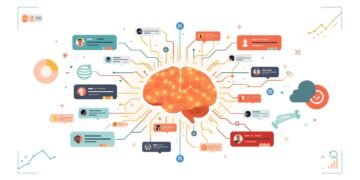
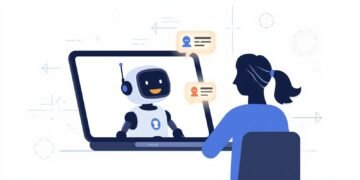














Many challenges arise from the fast-paced nature of a hospital setting. While often small at first, mistakes or disruptions can grow into serious problems. In recent years, advances in technology have provided the health care team with digital tools to help manage workload, prevent errors, and enable earlier identification of patient risks.
One of the biggest impacts on the growth of utilizing technology within the hospital is “AI in Hospitals. AI in Hospitals could aid doctors in diagnosing patients; Nursing Professionals in caring for patient needs; supply chain management in keeping supplies flowing throughout the hospital without interrupting patient care; and other areas where the current burden of time-consuming decision-making occurs.
This article explains how these technologies operate. Additionally, it explains where these technologies are most beneficial to both patients and hospital operations, where they may fall short, and what actions the hospital needs to take to utilize them safely and responsibly.
AI in Hospitals represents the utilization of computers that analyze large amounts of data, and support hospital staff by allowing them to make faster and more accurate decisions. AI in Hospitals will not replace the roles and responsibilities of Doctors and Nurses. Instead, AI in Hospitals aids Doctors and Nurses in recognizing patterns that would otherwise be difficult to detect due to the high volume of activity in a busy hospital.
#Transformative AI for Clinical Decision: Empowering Doctors to Think Faster
With medical applications first, one of the most well-known uses of AI tools is to review medical images, including X-rays, mri’s, and CT scans, to detect potential abnormalities and alert radiologists of areas that need more attention.
This allows radiologists to quickly identify any potentially serious issues (i.e., emergencies) and prioritize their workload accordingly. This can help minimize the risk of missing early indicators of treatment when a patient’s condition may be deteriorating.
AI can analyze laboratory test results and other clinical information related to a patient’s vital signs to assist healthcare providers in identifying patients experiencing a decline in health status that would not have been apparent previously.
In addition to improving the efficiency of patient diagnosis and treatment, hospital organizations have utilized AI to enhance operational processes. Some examples include forecasting how many patients will present at the Emergency Department over the course of an hour, determining staff assignments necessary for effective service delivery, and increasing the efficiency of scheduling imaging studies/treatments in other hospital departments.
Hospitals are starting to utilize automation and robotic systems to enhance patient care and streamline workflows. Hospitals are using delivery robots to transport medication, lab samples, and food throughout the hospital, allowing nurses to devote their time to patient care rather than walking back and forth. Some hospitals are using robots and automated tracking systems to help promote infection control by limiting nurses’ movement and streamlining supply distribution.
There are numerous advantages to using AI in hospitals environment; however, it must be used effectively. If an AI were trained on incomplete data or on data containing inherent bias, it would most likely affect different groups of patients differently. Additionally, when alerts occur excessively often, healthcare providers may experience what is known as “alarm fatigue” which occurs when healthcare providers receive such frequent alarms (or alerts), they become desensitized to them, and start ignoring the alarms.
Finally, there is concern about protecting patients’ medical records and health information. As these records contain highly personal, identifiable information, it is imperative to implement adequate safeguards to protect them.
Similar to other clinical resources, when implementing AI into your clinical practices, you need to test the AI prior to putting it into clinical practice. Then, after you implement the clinical resource in practice, monitor it continuously to evaluate its performance, identify potential problems, and address them. Lastly, as with any other clinical resource, the ultimate responsibility for making decisions about each individual patient rests solely with the care team.
When implemented correctly, AI can help reduce the burden of routine tasks on care teams, facilitate communication among the various disciplines within the care team, enable the care team to respond promptly to patient needs, and maintain the necessary human judgment and compassion for patients.
AI in Hospitals: A Simple Way to Think About It
AI in hospitals is increasingly using automation and robotic systems to enhance patient care and streamline workflows. AI in hospitals is using delivery robots to transport medication, lab samples, and food throughout the hospital, allowing nurses to devote their time to patient care rather than walking back and forth. Some hospitals are using robots and automated tracking systems to help promote infection control by limiting nurse movement and streamlining supply distribution.
There are numerous advantages to using AI in a hospital environment; however, it must be used effectively. If an AI were trained on incomplete data or data containing inherent bias, it would likely affect different patient groups differently. Additionally, when alerts occur excessively often, healthcare providers may experience what is known as “alarm fatigue” which occurs when healthcare providers receive such frequent alarms (or alerts), they become desensitized to them, and start ignoring the alarms.
Finally, there is concern about protecting patients’ medical records and health information. As these records contain highly personal, identifiable information, it is imperative to implement adequate safeguards to protect them.
Similar to other clinical resources, when implementing AI into your clinical practices, you need to test the AI prior to putting it into clinical practice. Then, after you implement the clinical resource in practice, monitor it continuously to evaluate its performance, identify potential problems, and address them. Lastly, as with any other clinical resource, the ultimate responsibility for making decisions about each individual patient rests solely with the care team.
When implemented correctly, AI can help reduce the burden of routine tasks on care teams, facilitate communication among the various disciplines within the care team, enable the care team to respond promptly to patient needs, and maintain the necessary human judgment and compassion patients require.
Where AI Touches Your Hospital Visit
| Stage | AI in Action | Patient Benefit |
|---|---|---|
| Before Visit | Online triage tools | Shorter wait times |
| Diagnosis | AI scans & alerts | Faster detection |
| Treatment | Personalized plans | Better outcomes |
| Recovery | Remote monitoring | Continuous care |
| Admin | Scheduling automation | Less paperwork |
Source:
What is AI in hospitals, really? A Simple Guide to the “Smart” Tools Behind the Scenes
AI in hospitals is not a “Thinking” robot — it is simply an algorithm created by humans. Almost all Algorithms are simply a series of steps devised by humans. An example would be: If a patient’s fever is over 101°F and they have a cough, then send their chart to a lab for a flu test. This is essentially a machine being instructed to follow a very specific, human-made list of instructions.
One of the main strengths of using AI in Hospitals is its ability to “Learn” so that it can develop many more Rules than a Human could ever write down. The learning process is referred to as Training. Consider training as showing a Computer 1 Million X-Rays (Half with small cracks in the Bones and Half without any Cracks in the Bones). The Computer will go through each one of these X-rays and begin to pick out Visual Clues that are associated with Bone Cracks. In addition, the computer should be able to spot Bone Cracks that a human cannot see.
However, the Computer does not know what a bone is. But it is very good at recognizing Patterns. So, ultimately, AI in hospitals is more like a New Tool for Your Doctors than a New Doctor. The AI is essentially a Supercomputer that can process vast amounts of Data to Provide Your Doctors with Clues to Diagnose Your Medical Condition, but the doctor is still Responsible for Making Decisions Based on Those Clues. Through Repetition, the AI has Already Started Helping to Alleviate Some of the Major Problems in Healthcare, Including Long Wait Times.
#AI for Personalized Treatment: Breakthrough Care and How It Works
How AI Can Cut Your Wait Time Before You Even Leave Home
AI in hospitals is helping improve operational efficiency at both ends of a patient’s visit – from scheduling appointments and front-desk check-in to providing health care professionals with additional perspectives during examinations.
The most uncertain part of going to the hospital is always the wait time. But what if a hospital could predict “rush hour” just as your traffic app can forecast when you will experience a gridlock? This is where AI in hospitals has already made a difference through predictive analytics.
Predictive analytics for AI in hospitals are extremely detailed weather reports on patient volume. By reviewing years’ worth of admission data, local flu trends, and even the time of day, AI systems can tell hospital administrators how busy the emergency room will be. This enables hospital administrators to plan ahead, have extra staff ready, and open rooms before many of their patients arrive, and reduce wait times for all of their patients.
This same type of forecasting is also assisting in streamlining the routine doctor visits. I’m sure we all remember sitting in a waiting room frustrated that our 10:00 am appointment didn’t start until 11:00 am. AI-powered scheduling systems are creating flexible and smart calendars that make real-time changes based on schedule changes.
Where AI in Hospitals Use Day to Day
Artificial Intelligence (AI) is currently used in several areas of the hospital setting as a passive aid for routine, often unseen functions, allowing hospital staff to provide quality patient care without distraction.
Some of the most common applications of Automation in Hospitals include:
- Automating the sorting and prioritization of messages, lab results, etc.
- Finding potential gaps in patient care plans
- Predicting which departments will be over capacity in the near future
- Aiding hospital staff in matching the correct bed for each patient to their assigned department.
Automation’s primary function is to help staff save time. However, only then can automation be successful. If too much alerting occurs from a given automation, staff will become desensitized to it. Conversely, if a piece of automation has a steep learning curve or becomes too cumbersome to use, staff will devise alternative ways to use it.
Typically, AI in hospitals’ first step when implementing artificial intelligence is developing high-quality data, defining clear roles and responsibilities, and creating training that mirrors the current job performance of their staff.
The Numbers Behind AI in Hospitals
| AI can reduce hospital waiting times by up to 30% |
|---|
| AI could save helathcare systems $150 + billion annually (US) |
| Diagnostic accuracy improves by up to 20-30% with AI support |
| Healthcare robotics market growing rapidly worldwide |
Source:
AI Medical Diagnosis: Helping Clinicians See Risks Earlier

AI healthcare diagnosis is one of the most discussed applications of artificial intelligence in medical settings. Often, these systems will review either patient data or medical images and provide to the physician potential areas for further evaluation (risk factors). This could be due to time constraints during a busy workday, leading the physician to overlook an area that needs further analysis.
For example, an AI tool might review a patient’s X-ray and flag an area for further examination. Alternatively, another tool might review a patient’s lab results and vital signs and alert the healthcare team that the patient has a higher risk of deterioration than other patients.
AI-powered healthcare has potential: it can allow healthcare teams to detect at-risk patients earlier and respond quickly. However, AI healthcare diagnostics does not always provide accurate answers. A tool will provide false positive or negative results due to several possible reasons, including
• Blurry images
• Missing patient history
• A lack of accuracy from the algorithms used.
Typically, when AI in hospitals uses medical diagnosis, they create a set of safety rules for the use of this technology, including:
• Thresholds for alerting healthcare professionals of critical issues
• A secondary review of critical issues found by the AI tool
• Continuous evaluation of how accurate the tool remains over time
These safeguards are important because clinical decisions can be life-altering, and even small errors can have significant consequences for patient care.
Real Hospital Story: AI Saving Critical Time
| Case | Stroke Detection with AI |
|---|---|
| AI scans brain images in seconds | |
| Flags stroke risk immediately | |
| Alerts doctors before symptoms worsen | |
| Impact: | Faster treatment decisions |
| Reduced brain damage risk |
Source:
Can an AI Read Your X-Ray? The Truth About AI as a Doctor’s Assistant
The use of AI in hospitals is about more than just using technology to make front-desk activities run smoothly. AI in hospitals is now beginning to help doctors perform diagnostic functions and convert into AI in hospitals.
To better understand how an AI can be trained to read a medical scan, let’s go back to a classroom where teachers are trying to teach students an endless number of flashcards. A teacher teaches their students through countless images of healthy people and sick people.
Each student views each image. By viewing images repeatedly, the students learn to visually identify the characteristics of both healthy and sick people. Similarly, an AI system has been trained to view an almost endless amount of images of the same types of things — chest x-ray images, MRI images, etc. There are hundreds of thousands of images.
Many of these images were taken from healthy individuals, and some of those images were taken from patients who had documented health problems such as tumors or hairline fractures. Over time, the AI begins to develop its own ability to identify very fine visual patterns commonly found in many medical conditions. Some of these patterns are so fine that they would likely remain invisible even to the human eye.
As a result of this type of training, the AI has become like a second set of eyes for Radiologists. They support them during their long days reviewing potentially hundreds of images. Being a doctor is not without fatigue. However, there is no fatigue when an AI-assisted diagnostic tool reviews every pixel in an image and flags any abnormally sized area.
Beyond simply flagging potential problem areas for the doctor to examine, the AI serves as a safety net. It prevents the doctor from missing anything when reviewing multiple images. Even though the AI supports the doctor in evaluating medical images, the doctor still makes the final determination of whether there is an illness and, if there is, what that illness is.
The doctor receives additional supporting data from the AI in helping make the final determination. All test results, along with the patient’s total medical history, continue to influence the final determination. Thus, while the AI continues to serve as a tool to aid the doctor in diagnosing illnesses and developing treatments, the doctor remains the primary caregiver.
This collaboration between the doctor and the AI could ultimately lead to quicker and more accurate diagnoses. The initial step in achieving quality healthcare is an accurate determination of the patient’s ailment(s). Once an accurate assessment of the patient’s ailments has been made, the next step in quality healthcare is to determine which treatment option best suits the individual patient’s needs.
Beyond One-Size-Fits-All: How AI Helps Create Your Personal Treatment Plan
For many years, the medical field has used a single treatment for a given condition; i.e., when you have a specific illness (or health issue), you receive a predetermined treatment. We know that everyone reacts differently to the same medications or therapies. Using AI in Hospitals today allows healthcare to transition away from a “standardized” method of care delivery and develop a much more individualized approach.
A better example would be to describe this process as if a general manager were developing a strategic plan by collecting and evaluating all available information. An AI system can analyze vast amounts of data to identify relationships that no single person could evaluate independently. These connections enable an AI to make recommendations based on what may be the most beneficial course of action.
- Your specific genetic makeup
- Your recent lab results
- Your lifestyle, like diet and exercise habits
- Outcomes from thousands of similar, anonymous patients
The AI will be able to use this cross-reference of information to determine which treatments are most likely to work for you and to identify potential harmful side effects. The AI does not take away your physician’s expertise; however, it certainly enhances their ability to provide data-driven medical care. Your physician is now in a position to create an evidence-based treatment plan with increased confidence. Additionally, the ability to effectively manage large amounts of data is contributing to hospitals running efficiently across departments such as the pharmacy and operating rooms.
#AI in Drug Discovery: A Breakthrough Approach to Faster and Smarter Drug Development
Smart Hospitals Technology and the Flow of Care

Hospital operations are greatly influenced by time limitations. The longer laboratory test results take to arrive, the longer it takes for hospital staff to prepare rooms for patient transfers, and the fewer supplies are available for procedures, all of which create inefficiencies in service delivery. By reducing or eliminating these barriers, Smart Hospital Technology is designed to streamline the overall tracking process.
There are several ways in which AI in hospitals supports “Patient Flow.” Patient flow refers to the movement of patients through each stage of their medical treatment. In general, AI systems can assist in estimating when patients will be discharged, how long tests will take, and even what staffing levels will be needed for the next shift.
This area also falls under Health Care Artificial Intelligence (AI), as it addresses the operational aspects (processes) of healthcare delivery rather than the clinical aspects (the care provided to patients). While Smart Hospital Technology applications do not provide direct patient care, they can help reduce both wait times and the uncertainty patients experience during treatment.
Hospitals should be aware that if an application focuses exclusively on efficiency, it may neglect patients’ comfort levels and individual needs. As such, the most effective applications will likely have to strike a balance between efficiency and patient-centeredness.
How AI Works Behind the Scenes in a Hospital
| Step | AI Role | Outcome |
|---|---|---|
| Data Collection | Patient records + scans | Centralized data |
| Analysis | Pattern detection | Early insights |
| Decision Support | Suggest diagnosis | Doctor guidance |
| Automation | Scheduling & alerts | Efficiency |
| Monitoring | Real-time tracking | Safer care |
Source:
Medical Robots in Hospitals: More Than a Futuristic Idea

Hospitals aren’t just filled with surgical robots; many of these robots work in non-surgical roles, yet are effective at performing their tasks.
Robots that deliver linens, food, medications, lab specimens, and even blood products may travel through hospital hallways. By using elevators, avoiding obstacles, and creating optimal paths to eliminate congestion in busy areas, these robots enable staff to focus on patient care rather than running errands.
Hospital Automation (for example Inventory Tracking), is commonly paired with Medical Robots in Hospital Settings. When an item’s level reaches a predefined low point, the automation system requests a restock of that item. The robot then delivers the item immediately, reducing the need to call multiple times or make multiple trips to locate it.
The Process of placing Medical Robots in Hospital settings must be carefully thought out. Prior to deployment, a hospital must evaluate the impact of medical robots on patient safety and on infection control issues that may arise from their placement in areas where patients use wheelchairs and stretchers.
Meet the New Hospital Staff: How Robots and AI Keep Things Running Smoothly
While the idea of a robotic surgeon is exciting for what the future may hold, there are thousands of other types of robots working in hospitals across the country, but they are often less noticeable. These robots do not perform surgery and therefore do not receive the same level of attention. Instead, they assist with the routine, behind-the-scenes tasks that are critical to maintaining efficient hospital operations.
Consider all the time spent “getting around” in a hospital. A nurse may need to pick up a patient’s prescription at the pharmacy, a laboratory technician needs to retrieve laboratory specimens, or the housekeeping staff may need to replenish linen supplies. Today, many hospital delivery and retrieval processes use robots equipped with Artificial Intelligence (AI) to navigate the hospital. Examples include automated carts that travel autonomously.
In addition to transport robots, Smart Hospital Administrative AI works behind the scenes as a highly efficient inventory management system for the pharmacy. It identifies and orders pharmaceuticals based upon current demand in near-real-time. In terms of value, this type of automation does not simply add speed to the process.
Rather, it adds the value of human time. With every route taken by a robot, there is one less trip made by a nurse, technician, etc. This provides nurses, technicians, etc. significantly more free time per day, which allows them to focus on providing quality patient care. As smart systems continue to evolve throughout the hospital, from the logistics side to the patient’s electronic medical record, numerous new questions will arise.
Humans + Robots: Who Does What?
| Task | Human Staff | AI/Robots |
|---|---|---|
| Diagnosis | Final decision | Data analysis |
| Surgery | Lead surgeon | Assist tools |
| Medication Delivery | Supervision | Autonomous robots |
| Monitoring | Patient care | Continuous tracking |
| Admin Tasks | Oversight | Automation |
Source:
AI-Powered Healthcare at the Bedside

There are numerous applications of AI in hospitals; however, nearly all of them focus on assisting with monitoring and communication.
AI applications that assist in this manner include those that continuously monitor streams of patient vital-sign data (e.g., heart rate, respiratory rate, oxygen saturation), flagging when they detect a pattern indicating an early decline in the patient’s health status. These flags allow a nurse to assess a patient who could be declining rapidly as soon as possible. Prior to the advent of AI-powered healthcare options, it was not feasible to allow a nurse to see a patient in such rapid succession based solely upon trends in the patient’s vitals.
Hospital staff also use AI to assist with tasks such as drafting summaries and organizing notes. AI applications can take the complexity out of the language used in medical directives and communicate information to patients in much easier-to-understand terms, so patients can comprehend what hospital staff is communicating.
Despite the potential benefits of using AI at the bedside, several concerns remain regarding its implementation. For example, hospital staff continue to require the ability to provide compassionate care to their patients as they begin to leverage technology, including AI, to improve the quality of that care. In addition, AI-powered tools will need to protect patient confidentiality, ensure unbiased decision-making, and allow for human judgment and compassion.
Risks, Limits, and Why Oversight Matters
As a result of the need for an abundance of quality data, there exists a significant possibility that AI in Hospitals could suffer from many of the same pitfalls as its data; e.g., if underrepresented subpopulations (i.e., women, minorities) exist within the training dataset, then it would likely perform poorly or ineffectively on them; if different departments document differently, etc.
Most Hospitals have developed mechanisms to monitor and evaluate the performance of Healthcare Artificial Intelligence Systems. These monitoring mechanisms are designed to track and test the performance of these AI Systems, identify errors made by the AI Systems, and establish protocols and procedures for when healthcare providers must override AI Systems’ recommendations.
Additionally, Hospitals must consider privacy with respect to health information. Therefore, Hospital Systems must implement robust security measures, maintain strict control over access to Protected Health Information, and establish formal policies governing its sharing. Furthermore, patients have the right to know how their health information is used in the provision of their medical care.
Lastly, Hospitals must plan for failures of AI Systems resulting from power outages, software update requirements, and similar events. Teams must have safe manual workflows in place to complete all critical functions.
#Medical Imaging Explained: How Intelligent AI Systems Read Medical Images
AI Risks vs Benefits in Hospitals
| Benefits | Risks |
|---|---|
| Faster diagnosis | Data privacy concerns |
| Improved accuracy | Bias in algorithms |
| Reduced workload | Over-reliance on AI |
| Better patient outcomes | Ethical challenges |
Implementing AI Without Disrupting Care
Hospital administrators do not install an app onto a phone as easily when implementing technology in a hospital. The stakes involved are much higher and the complexities of a typical hospital are significantly greater than for the average app installation.
In general, the best way to implement AI in hospitals is to take small incremental steps with significant testing.
During the roll-out, there are many practical methods available to aid in the roll-out process.
- Identify a limited scope of problems that have specific, measurable metrics
- Frontline staff should be included at all stages of development, including at least the initial phases; it is generally insufficient to involve only Information Technology (IT) staff.
- Test using actual patient records and monitor for false positives.
- Update employee training as workflows evolve.
- Monitor the actual effectiveness of the application, rather than only tracking how many employees have adopted the new technology
Hospital administrators do not install an app onto a phone as easily when implementing technology in a hospital. The stakes involved are much higher and the complexities of a typical hospital are significantly greater than for the average app installation.
In general, the best way to implement AI in hospitals is to take small incremental steps with significant testing.
During the roll-out, there are many practical methods available to aid in the roll-out process.
The Big Questions: Is My Health Data Safe and Is AI Fair?
As hospitals and other healthcare organizations begin integrating smarter systems into patient care, many questions remain about how these systems use patient data. The most important question is: Do smarter systems protect their patient’s privacy when utilizing their personal health information? The answer depends upon the successful removal of all identifiable patient information during the data anonymization process.
All identifiable patient information, i.e., names, addresses, etc., is removed prior to training and developing an artificial intelligence (AI). This is similar to a patient’s medical record having the name redacted. Anonymizing data is governed by federal regulations (HIPAA), India’s DPDP Act, DISHA (proposed), and the Information Technology Act. Removing this information allows the AI to build a learning model based on the actual medical content in the record without identifying the individual patient.
Separate from whether or not a system has successfully protected patients’ privacy is whether the AI is biased. A system is limited by the quality of the data that was used to train it. Therefore, if an AI is trained on a large number of examples from a specific demographic group, then its accuracy will likely decrease when applied to different demographic groups. This phenomenon is known as “algorithmic bias.” Using a simple analogy, if one were attempting to write a worldwide cookbook using only ingredients from a single country, they would have difficulty creating recipes that would work well in every country.
A significant concern associated with “algorithmic bias,” especially in hospitals, is that it can have major consequences. An example of how algorithmic bias can lead to negative consequences is when a healthcare provider utilizes an Artificial Intelligence (“AI”) system that was developed using only data collected from men in order to assess the risk of patients suffering from a heart attack.
Since the predictive model was created using only data from male subjects, it will likely not recognize many of the symptoms associated with females who are at increased risk of suffering a heart attack. Therefore, due to the failure of the AI system to identify symptoms associated with females who are at greater risk of having a heart attack, there is a high probability of delays in receiving proper treatment for the patient, resulting in less than optimal care.
A major challenge facing Medical AI developers is to ensure that the data they use to develop their AI is large enough and representative of all segments (age, gender, race, etc.) of society. While the development and implementation of Medical AI have the potential to greatly improve the quality of health care patients receive, the most critical component of any hospital’s AI strategy is not the computer itself but rather the people developing and implementing it.
In other words, doctors, data scientists, and ethicists need to continuously monitor and evaluate the effectiveness and efficiency of medical AI systems to quickly identify and correct any biases.
The AI system provides a highly effective second opinion for doctors; however, the doctor is ultimately responsible for determining the best course of treatment for each patient. Long-term success for medical AI will depend on continuous interaction between expert humans and Intelligent Systems.
Your Partner in Health: What AI Means for the Future of Your Care
In the world of science fiction, when one thought of “AI in hospitals”, they were often thinking of robotic assistants. Today, we have technology that can assist those working behind the scenes in ways that are both tangible and potentially life-saving.
This type of technology provides doctors with a set of “superpowers”. As such, AI can provide “super vision” for detecting abnormalities on scans (no matter how small) and “super memory” by instantly accessing all relevant past medical information. Ultimately, medical staff will be able to make quicker and more accurate decisions by using AI to process large volumes of data.
Technology can process numbers; therefore, it allows people to do what is most important to them: you. The use of artificial intelligence in healthcare does not diminish human connection; instead, it enables us to spend more time on it. When you learn that artificial intelligence is being used in healthcare, rest assured that the results will allow for more time and opportunities to connect with others.
The Near Future: What to Expect Next
Over the next few years, we anticipate that AI in Hospitals will begin to lose its visual presence and become ubiquitous across hospital departments. There will no longer be a single “AI screen” in the hospital, but rather many smaller AI modules operating within each hospital system (e.g., imaging, labs, scheduling, and patient communication).
We expect smarter medical robots in hospitals, specifically logistical robots. The ability of these robots to interface with supply chain systems, eliminate potential bottlenecks, and assist in controlling infections through reducing unnecessary hospital traffic could potentially increase their utilization.
In order to ensure that the previously mentioned technologies are perceived as both safe and equitable, Hospitals will have to implement processes for demonstrating this safety and equity. Therefore, Hospitals will require the implementation of more advanced monitoring, reporting requirements, and methods of articulating how a model reached an individual decision or output.
Conclusion
People hold two extreme views about “AI in Hospitals”: it is all magic, or AI will replace all trained clinicians. However, this is simply an idea. What AI really does is offer sets of tools to help Hospital Teams identify potential risk factors sooner than they would without the tools, improve communication among team members, and move critical supplies through a hospital’s complex layout faster and more safely. Everything from AI-assisted medical diagnoses to robots that can help in other ways is a system that addresses very specific needs and adds clarity (not confusion) to how we deliver health care.
For users to maximize the value of each of these new tool types, there must be a process of evaluation, continuous monitoring, and adjustment as necessary, while keeping patient safety at the forefront.
Q&A
- Question: What does “AI in Hospitals” actually mean in everyday care?
Answer: AI in hospitals refers to using computer systems to analyze hospital data (e.g., medical information), assist hospital staff with their decision-making processes. This illustrates how a system can use software to quickly identify unusual lab results, prioritize radiology studies, and identify patients at risk of requiring closer monitoring. The goal of AI in this context is to support staff, not replace them. While AI can rapidly perform many routine analyses and flag potential problems requiring further attention from clinical staff, clinical staff will ultimately have to make the final determination of the appropriate action in response to those alerts. Ultimately, when done correctly, it can help eliminate delays and allow clinical staff to focus more on direct patient care. - Question: How does AI Medical Diagnosis help doctors without “replacing” them?
Answer: AI Medical Diagnosis tools take in information from sources such as images (e.g., x-ray, CT scan, pathology slide), vital sign trends, lab trend data, etc., and provide potential areas of concern to a clinician for follow-up. The tool may help a clinician identify an area of interest that might otherwise have been missed due to time constraints. However, the clinician should verify the relevance of the identified areas of interest against their own experience and judgment, as the tool relies solely on what has been provided; therefore, incomplete or inconsistent data can lead to false positives. Therefore, diagnosis is still a task for clinicians. Clinicians provide the “second set of eyes” when using these tools; they are responsible for confirming the relevance of findings and selecting treatment options. - Question: What is Healthcare Artificial Intelligence, and how is it different from regular hospital software?
Answer: Healthcare artificial intelligence refers to all applications of AI in healthcare settings. Traditional software follows established algorithms based on “if-then” statements (e.g., if x occurs, then perform y). However, artificial intelligence applications learn from data patterns to predict future events, such as a patient’s likelihood of deterioration or potential diagnoses. While this ability to adapt can be beneficial, it also increases the need for oversight, testing, and ongoing evaluation to ensure the application remains accurate and unbiased as real-world conditions continue to evolve. - Question: What are Medical Robots in Hospitals used for today (beyond surgery)? Answer: Medical robots in hospitals can perform many non-surgical tasks, such as delivering medications, collecting lab samples, transporting linens to patients, and feeding patients. Some medical robots clean patient rooms by spraying a mist (using liquid) or by using controlled lighting systems. Some of these medical robots will perform simple manual tasks, such as moving equipment and supplies, thereby reducing hospital staff workload and saving them time. Robots are most beneficial to a hospital when they fix an obvious workflow problem; for example, reduce walking distances, and create no new hazards in a busy hallway.
- Question: How does AI-Powered Healthcare improve patient experience in a simple, visible way? Answer: AI-Powered Health Care can improve patients’ experience through improving the wait times, clarity of information, and unnecessary question asking. For example, AI can assist with scheduling testing, send alerts to hospital staff when patients’ discharge paperwork is delayed, and convert highly technical instructions into clear, simple language. In addition, AI can enable care teams to respond more quickly to patients who exhibit early warning signs in their vital signs. While there may be several options, the most beneficial for the patient is likely to be time: less delay, more responsive answers from hospital staff, and greater focus on what is important.
- Question: What makes Smart Hospitals Technology “smart,” and what does a patient notice? Answer: A smart hospital is a place where technology connects all the pieces (e.g., beds, staff, supplies, and clinical information) so the hospital can respond to changes quickly. The patient may experience less disruption during transitions between departments, fewer test cancellations, faster room turnaround, or have the necessary items to support their care as needed. In addition, many of the “smart” functions will likely help identify potential surges in patient volume and/or indicate areas of a lab or imaging department that could create bottlenecks. “Smart” does not necessarily require an additional layer of complexity; it should be an added layer of efficiency that reduces friction without adding more screens or cumbersome processes.
- Question: What is Automation in Healthcare, and where is it most helpful (and safest)? Answer: Automation in healthcare refers to the use of technology to automate routine, rules-based processes. Automation is typically best suited to administrative and operational processes, including sending patient reminders, managing supplies/inventory, verifying insurance/billing, routing laboratory specimens, and supporting clerical functions such as documentation. In addition, automation can aid certain clinical workflows (such as alerting when a test is due); however, it is critical that these systems be fine-tuned to prevent alarm fatigue. The ultimate goal of automation is to eliminate non-value-added time while preserving human decision-making authority for high-risk, high-consequence clinical decisions.
- Question: What are the biggest risks of AI in Hospitals, and how do hospitals reduce them? Answer: Key risk areas of this type of model will be the potential for incorrect or biased prediction, as well as privacy/security concerns that could arise from using a tool on patients, such as alert fatigue due to an overwhelming number of alerts for medical personnel; and how hospitals can mitigate those risks through validation before deployment, ongoing monitoring of the performance of the system after it has been deployed, to ensure the systems are being used appropriately and to limit its application to areas where there is the greatest benefit and require a human decision maker in high-risk situations. Hospitals must have robust data protection policies and procedures to safeguard patient information, as hospital data is typically highly sensitive.
- Question: How do hospitals check whether AI Medical Diagnosis tools are reliable for real patients? Answer: Local data, with an actual clinical workflow prior to a full implementation, is where hospitals test their AI Medical Diagnosis tools. Hospital personnel then review and evaluate (AI) suggestions relative to those of clinicians and the confirmed outcome; record all false positive/false negative results; determine if the use of this tool has improved speed and/or accuracy while not being harmful; monitor performance over time as factors such as new equipment, new protocols, or different patient populations may impact the accuracy of the tool. Auditing the AI tool’s performance is just as important as the original evaluation.
- Question: Will Medical Robots in Hospitals and Smart Hospitals Technology change healthcare jobs? Answer: They are going to have employees working on different jobs; delivery robots, etc., can save time performing errands, and smart systems can help to decrease paper work, and chaotic scheduling so that they can better allocate their time to do what is most important, such as being directly involved with patients and their safety checks, and complex coordination of care. These technologies create new responsibilities, including maintenance, monitoring, workflow redesign, and training. The best way to maximize the positive effects of this technology and provide quality care is for the hospital to use the reduced lower-value workload to support its staff and clearly define decision-making authority for all employees.